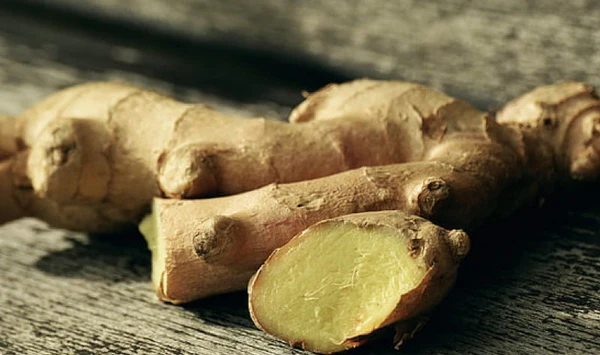
Foenegriek: The Ancient Herb We Still Trust Today
Foenegriek, also known as fenugreek, is one of those rare natural ingredients that quietly stayed relevant for thousands of years. While trends in food and wellness come and go, foenegriek has always held its ground. We find it in kitchens, traditional remedies, beauty routines, and everyday health habits across cultures. It is simple, powerful, and deeply rooted in human history.
In this article, we will explore foenegriek in a clear, relaxed, and honest way. We will talk about what it is, where it comes from, how we use it, why people still trust it today, and how it fits easily into modern life. This is written in a shared “we” tone because foenegriek is something we all can relate to and benefit from.
What Is Foenegriek
Foenegriek is an herb that belongs to the legume family. The seeds are the most famous part, but the leaves are equally valuable. When the seeds are dried, they become hard, aromatic, and full of natural compounds that our bodies recognize easily.
We often hear people call it a spice, but foenegriek is more than that. It sits somewhere between food and medicine. That is why it has always been part of traditional lifestyles instead of being treated as a short-term solution.
What makes foenegriek special is its balance. It does not force the body to react; instead, it supports natural processes. That gentle approach is why people across generations continue to use it.
A Look Into Its History
Foenegriek is not new, and that is actually one of its biggest strengths. Long before modern supplements existed, people trusted this humble plant. It appeared in ancient kitchens, healing practices, and daily routines.
Across different regions, foenegriek played different roles. Some cultures used it mainly for food flavor, while others relied on it for strength and recovery. Over time, these uses blended together. Cooking and healing became part of the same lifestyle.
We can say foenegriek survived history not because it was fashionable, but because it worked.
Taste And Aroma
Foenegriek has a very distinct taste. It is slightly bitter at first, then warm and nutty. Some people even notice a hint of sweetness after cooking it. The aroma becomes richer when roasted or soaked.
In food, this taste adds depth rather than overpowering other ingredients. That is why foenegriek is often used in small amounts. A little goes a long way.
When we use fresh leaves, the flavor is softer and greener. Dried seeds are stronger and more concentrated. Both forms have their place.
Foenegriek In Everyday Cooking
One of the easiest ways we include foenegriek in our lives is through food. It blends naturally into daily meals without feeling like a “health chore.”
We use foenegriek seeds in spice mixes, slow-cooked dishes, soups, and stews. When soaked, the seeds soften and release their nutrients more gently. Powdered foenegriek is often mixed into dough, sauces, and warm dishes.
Fresh foenegriek leaves are used like other leafy greens. They can be cooked, lightly sautéed, or mixed into breads. Their flavor becomes mild and comforting after cooking.
The beauty of foenegriek in cooking is that it nourishes us without asking for special effort.
Digestive Support We Rely On
Foenegriek is widely known for supporting digestion. Many of us turn to it when the stomach feels heavy or unbalanced. The natural fiber content helps the digestive system work smoothly.
When we soak foenegriek seeds in water and consume them, they form a soft gel-like texture. This soothes the stomach lining and supports gut comfort. It is a simple habit that many people follow daily.
Instead of harsh solutions, foenegriek offers steady support. That is why it fits so well into long-term routines.
Foenegriek And Daily Energy
Another reason people value foenegriek is its role in maintaining steady energy. Instead of sudden boosts followed by crashes, it supports balanced strength throughout the day.
This is especially helpful for people who feel tired easily or want to maintain consistency in their routine. When included in meals, foenegriek helps the body use nutrients more efficiently.
We notice that traditional diets often included foenegriek regularly, not occasionally. That consistency made a difference.
Skin Benefits We Appreciate
Foenegriek has always been part of natural skincare. The seeds contain compounds that support clean, calm skin. When used properly, it helps reduce dryness and supports a healthy glow.
Many people grind soaked foenegriek seeds into a paste and apply it gently to the skin. Others use foenegriek water as a natural rinse. These methods are simple, affordable, and effective.
What we like most is that foenegriek works with the skin instead of against it. It supports balance rather than forcing change.
Hair Care With Foenegriek
Foenegriek is especially popular in hair care routines. People trust it for strengthening hair, reducing dryness, and supporting scalp health.
When we soak the seeds and use the water or paste on the scalp, it helps nourish hair roots. Over time, this habit supports stronger, smoother hair.
Foenegriek does not promise overnight miracles. Instead, it rewards patience and regular care. That honest relationship is why people stay loyal to it.
Foenegriek In Home Remedies
In many households, foenegriek is part of simple home remedies. It is used for warmth, comfort, and recovery. Whether taken as a drink, added to food, or applied externally, it plays a quiet supporting role.
We often see elders recommending foenegriek because they have seen its effects over time. That generational trust matters.
Home remedies built around foenegriek are usually gentle, which makes them suitable for regular use when handled correctly.
Why Foenegriek Still Matters Today
With so many modern products available, some might wonder why foenegriek still matters. The answer is simple: it fits real life.
Foenegriek does not require complicated instructions. It does not feel artificial. It blends into meals, routines, and traditions naturally.
In a world where people are returning to simple and honest choices, foenegriek feels familiar and reliable. It reminds us that progress does not always mean replacing the old. Sometimes, it means respecting it.
How We Use It Safely
Like anything natural, foenegriek works best when used with balance. Small amounts used regularly are better than large amounts taken occasionally.
Soaking the seeds before use is a common practice because it makes them easier to digest. Cooking them properly also softens their intensity.
Listening to our bodies is important. Foenegriek supports us best when we treat it as part of a lifestyle, not a quick fix.
Foenegriek In Modern Lifestyles
Today, foenegriek appears in teas, powders, capsules, and blends. While the form may change, the essence stays the same.
Many people prefer traditional methods like soaking seeds or cooking leaves because they feel more connected to the process. Others choose convenient forms due to busy schedules.
Both approaches work as long as we stay mindful and consistent.
A Simple Habit With Lasting Value
Foenegriek teaches us an important lesson. Not everything powerful needs to be complicated. Sometimes, the most effective solutions are the ones that have been with us all along.
By including foenegriek in our meals, self-care routines, and daily habits, we connect with a long tradition of natural balance. It is not about perfection. It is about steady care.
Final Thoughts On Foenegriek
Foenegriek is more than an herb or spice. It is a symbol of simplicity, patience, and trust in nature. We use it because it fits into real lives, real kitchens, and real routines.
It supports digestion, energy, skin, and hair without demanding attention. It stays humble, just like the people who passed its knowledge down through generations.
As we move forward, foenegriek reminds us that sometimes the best way to care for ourselves is to return to what has always worked.